Pro cycling doesn’t follow a steady rhythm throughout the year. The season is built around a packed calendar with different types of races, shifting objectives, and specific peaks for each team and rider. If you’re coming from other sports, it can feel like a 10-month puzzle. It takes time to understand, but once you do, it becomes clear why some riders dominate at certain moments and barely appear at others. They’re not taking time off, they’re either preparing for key targets or recovering after them.
When does the cycling season start?
Officially, the season kicks off in mid-January with the Santos Tour Down Under in Australia. But for many fans, the real start comes with the Belgian “Opening Weekend,” which includes Omloop Het Nieuwsblad (WorldTour) and Kuurne–Brussel–Kuurne (ProSeries).
When does the season end?
On paper, the season runs into mid-October, with races in China, France, and Italy. But for purists, things effectively wrap up after Il Lombardia.
How is the pro cycling calendar structured?
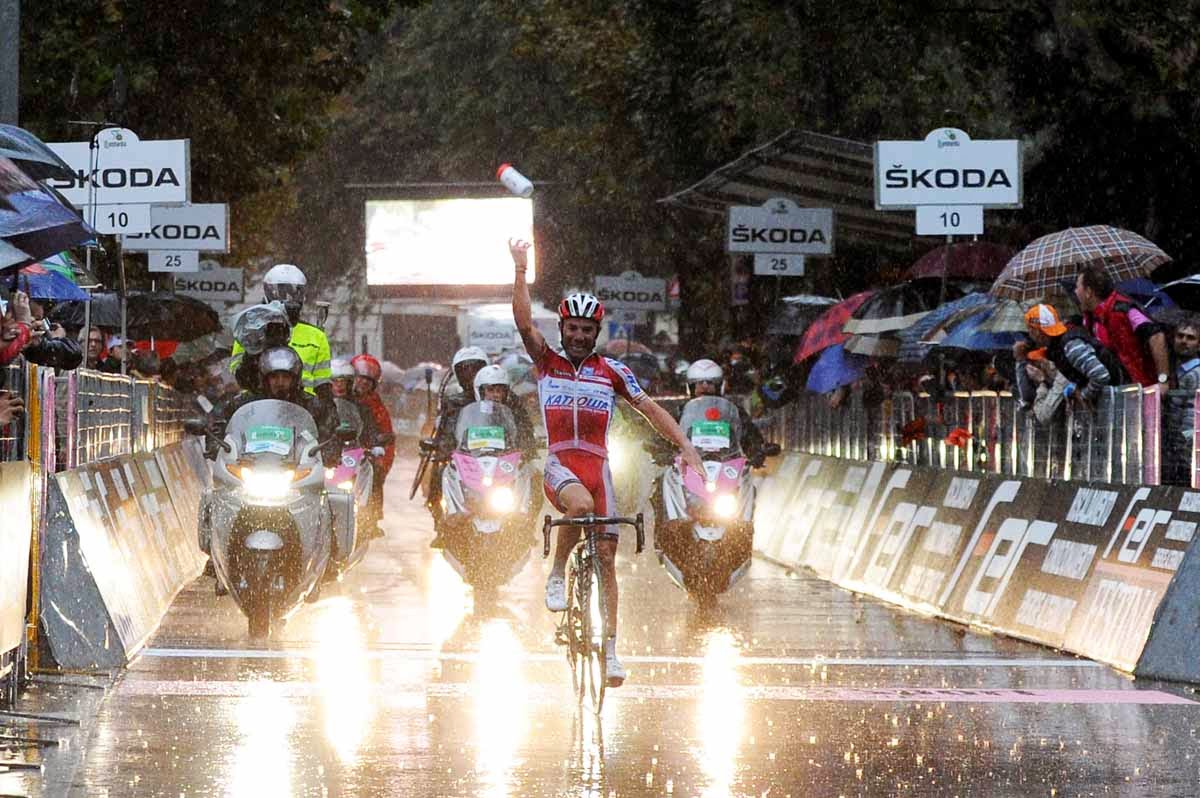
The calendar is built around three main types of races, spread across the season:
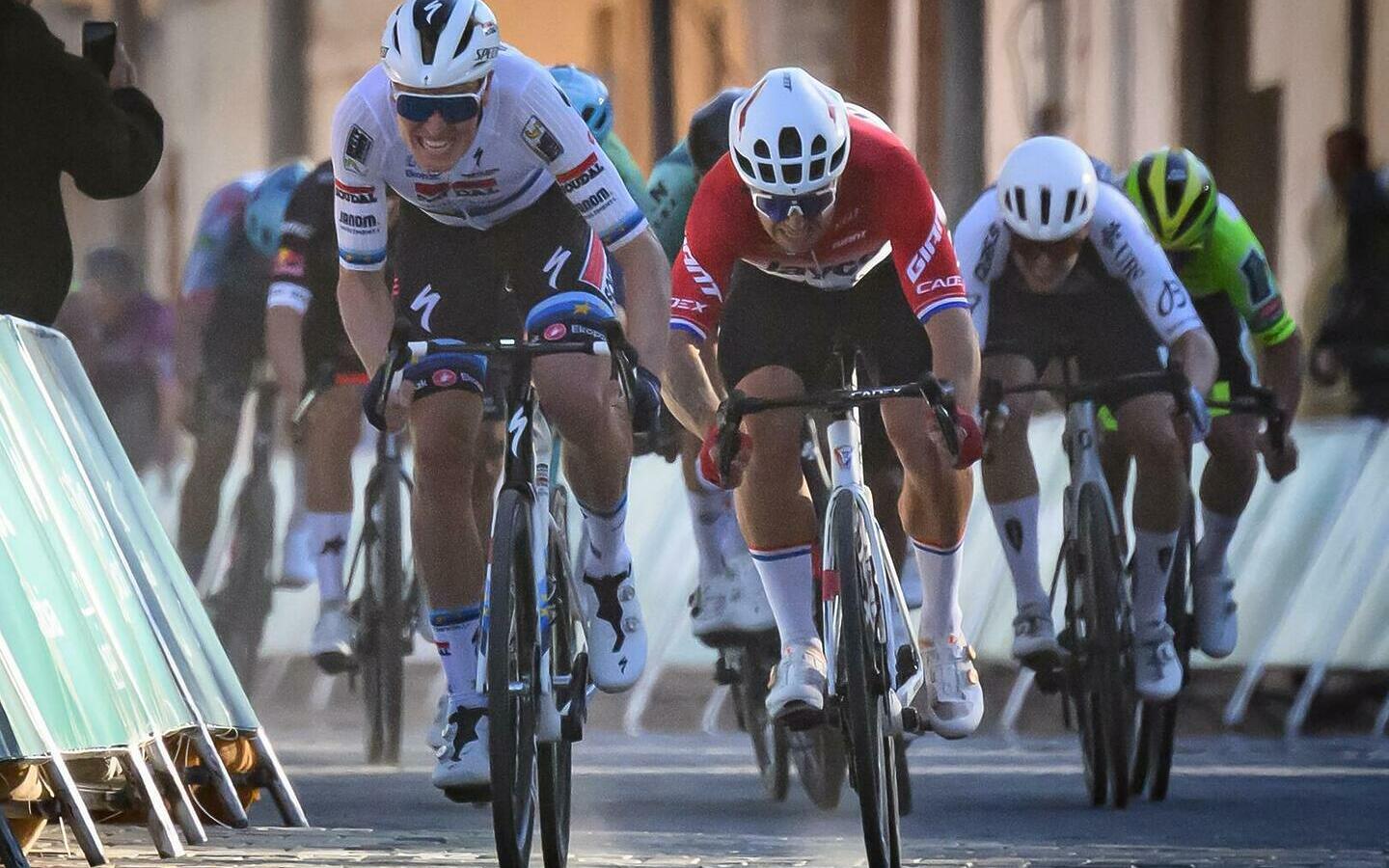
- One-day races and Classics: High-intensity races where tactics and experience matter just as much as strength. Examples include the Tour of Flanders, Paris–Roubaix, Liège–Bastogne–Liège, and Milan–San Remo. These suit classics specialists, puncheurs, and versatile sprinters, but depending on the course, climbers and rouleurs can also be competitive.
- Stage races: These last from two to seven days. Depending on the terrain, they may favor sprinters, classics riders or GC contenders. Beyond results and points, they’re also key preparation for bigger targets. Examples include Itzulia Basque Country, Tirreno–Adriatico, Critérium du Dauphiné (now known as Tour Auvergne–Rhône-Alpes), and Tour de Suisse.
- Grand Tours: The biggest races on the calendar, lasting three weeks and combining mountains, time trials, and flat stages. In order, they are the Giro d’Italia, the Tour de France, and the Vuelta a España. This is where overall contenders peak and where teams focus their most ambitious goals, especially at the Tour.
These examples are from the WorldTour calendar, but outside the Grand Tours, racing runs across multiple levels throughout the season, including ProSeries and Continental circuits (Europe, Africa, Asia, the Americas, and Oceania).
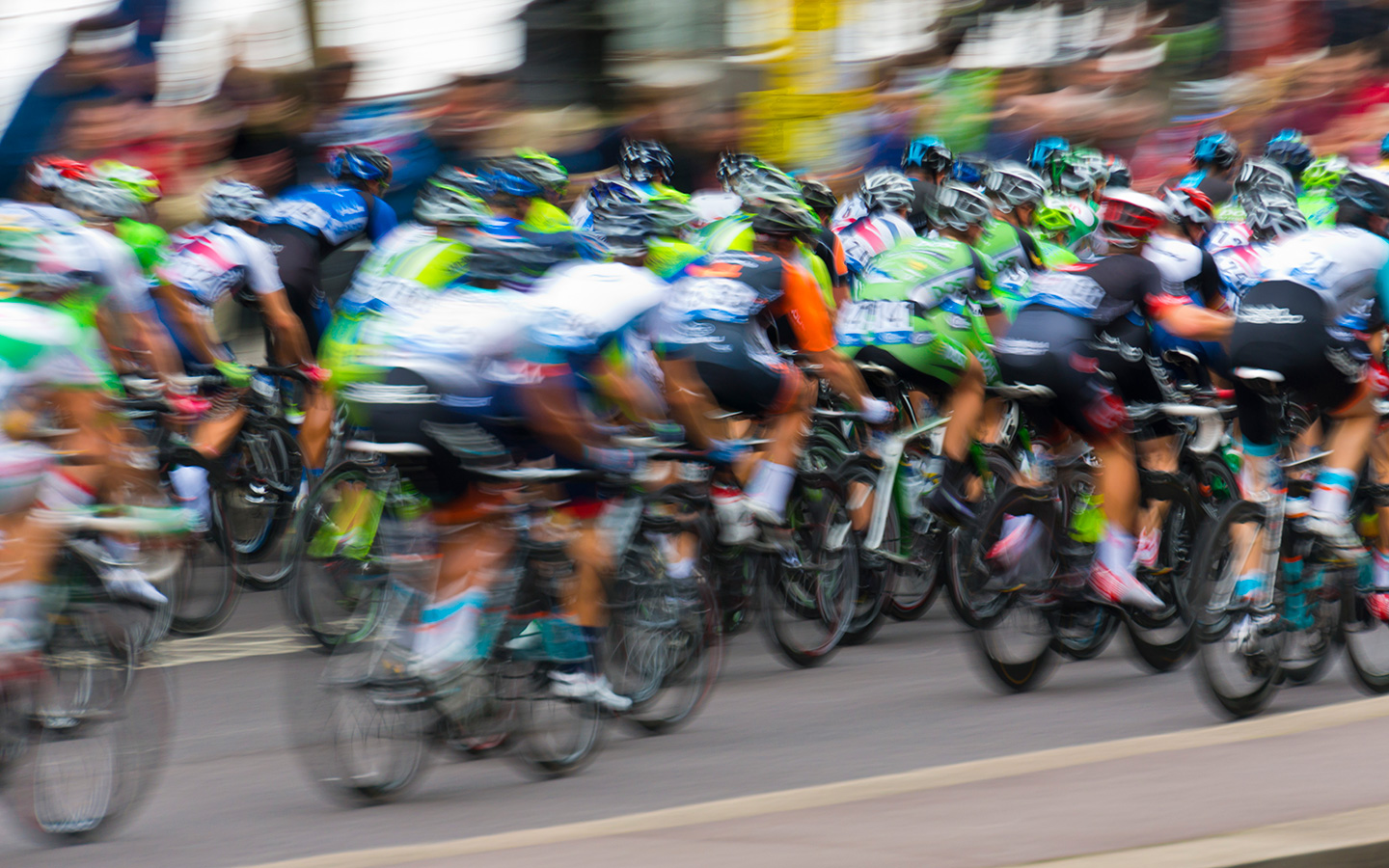
It’s common for races to overlap, with multiple events happening on the same day. That’s why teams carry large rosters (around 30 riders) and the structure to race in two or even three events at once, depending on their resources.
Which races matter most?
It depends on who you ask.
From the Union Cycliste Internationale perspective, the WorldTour calendar highlights the most important races and those offering the most points: the three Grand Tours, the five Monuments, major stage races, and key one-day events. That said, not every WorldTour race carries the same prestige as some newer events haven’t built the same history or reputation.
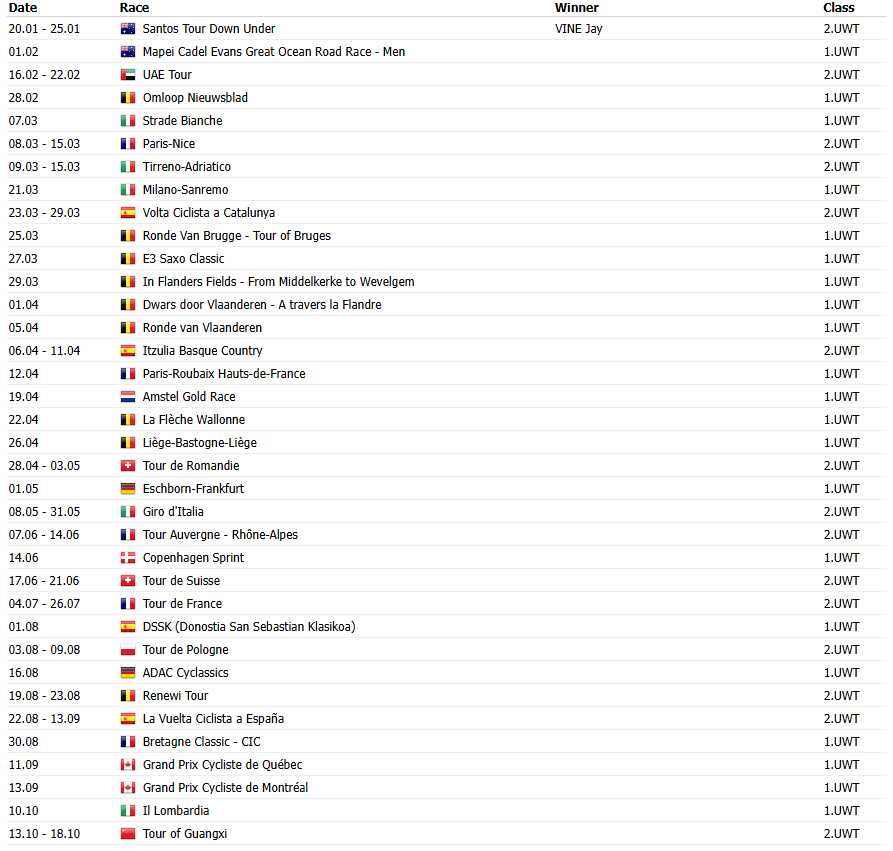
At the same time, some non-WorldTour races still hold significant status. Kuurne–Brussel–Kuurne, for example, is part of Opening Weekend and widely respected, even as a ProSeries race. The same goes for events like Paris–Tours or the Vuelta a Burgos.
If you’re into Grand Tours and GC battles, the Giro d’Italia, Tour de France, and Vuelta a España are essential viewing, along with key prep races like Paris–Nice, Tirreno–Adriatico, Volta a Catalunya, Itzulia Basque Country, and Critérium du Dauphiné.
If you want to see riders like Tadej Pogačar or Mathieu van der Poel at their most aggressive, focus on the biggest one-day races: Strade Bianche, Milan–San Remo, Tour of Flanders, Paris–Roubaix, Liège–Bastogne–Liège, and Il Lombardia.
For fans of the Classics, beyond Opening Weekend, races like E3 Saxo Classic, La Flèche Wallonne, Amstel Gold Race, and Clásica de San Sebastián are key dates on the calendar.
How do riders and teams plan their season?
A pro rider doesn’t race everything on the calendar. Their schedule is mapped out months in advance around a few main targets: one or two Grand Tours, specific Classics, or blocks of races at certain points in the season.
Teams start by defining their priorities: which races matter most for results, sponsors, and UCI points, and which riders are best suited to each event. From there, they work with their key riders to build a calendar tailored to both individual strengths and team goals.
Not all teams operate the same way. A top-tier team like UAE Team Emirates might aim to win across the calendar, while smaller teams may focus on targeting specific races or accumulating enough points to secure future invitations.
Once goals are set, preparation is built around reaching peak form at the right time. The season is structured in blocks:
- Training: Much of it is done individually, but teams also organize training camps. Early-season camps often take place in Spain or Mallorca, while altitude camps later in the year (Andorra, Tenerife, the Alps) help fine-tune performance. Even within a team, training plans are highly individualized.
- Build-up races: Used to gain race fitness and rhythm. Traditionally, riders used lower-tier races to build form, but that approach has evolved. Today, most riders line up ready to compete from day one, thanks to advances in training, nutrition, and data.
- Target races: The main objectives of the season, where riders aim to be at peak condition. Modern training methods now allow riders to hold a high level for longer periods, rather than peaking just once or twice a year.
- Recovery periods: Just as important as racing. These include short breaks off the bike and longer phases of active recovery, where riders keep training but at lower intensity.
Rider type also shapes the calendar. Sprinters focus on flat races and stages, climbers target mountainous terrain, and classics specialists build their season around key one-day races. That’s why two riders on the same team can have completely different seasons.
Plans also evolve. Strong performances can open new opportunities, while fatigue or injury can force changes. Over such a long season, managing effort is key to performing when it matters most.
In short, the cycling calendar is a long-term strategy. Every training block and race is carefully planned, with each effort contributing to a rider’s overall performance across the season.
What’s next?
Now that you know how the season works and what each race means, it’s time to focus on cycling’s biggest event: the Tour de France. In the next post, we’ll take a closer look at how stages are designed, how teams execute their strategies, which riders make the difference, and how races are won, whether through sprint trains, breakaways, or mountain attacks. This is where everything is on the line, and where every rider wants to perform.